As an interpreter working with international business visitors in Shanghai, I’m often asked about payments, transport, visas and practical arrangements. This guide collects the answers I share most often, based on what clients actually ask before and during their trips.
When to Visit: Weather & Trade Show Seasons

Shanghai’s busiest season is summer, when the city‘s parks and outdoor terraces come to life – but it’s often hot and sticky (though most places offer air-conditioning).
Spring and late September to October offer the most pleasant weather, with mild days and comfortable nights. These are ideal months for strolling along the Bund or exploring the French Concession on foot.
Winter can be cold, and while there are plenty of indoor attractions, heating is limited – so dress warmly.
Before You Go – Practical Essentials
Visa & Entry Basics for Business Visitors
The type of visa you need depends on the purpose of your visit and your nationality. For short-term visits, exchanges or study tours, you will typically need a visitor visa.
Good news for transit travellers: visitors from over 50 countries may qualify for the 240-hour visa-free transit policy. Check eligibility before you travel.
Payments: Alipay, WeChat Pay & Cards
China has largely moved to mobile payments, but don’t worry if you‘re not an expert – overseas cards can now be linked for convenience.
Key apps to set up before arrival:
- Alipay – Widely accepted for payments, transport QR codes, and more.
- WeChat Pay – Equally essential for daily transactions.
- UnionPay cards – Accepted in 12 major shopping areas, the entire metro network, and over 100,000 merchants.


Apps You’ll Need: DiDi, Amap & Translation Tools
Beyond payment apps, these tools are useful for getting around and communicating during your trip.
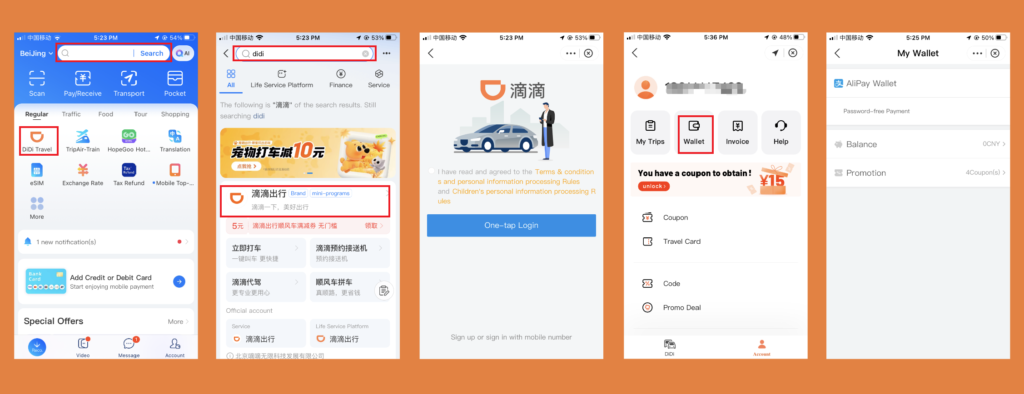
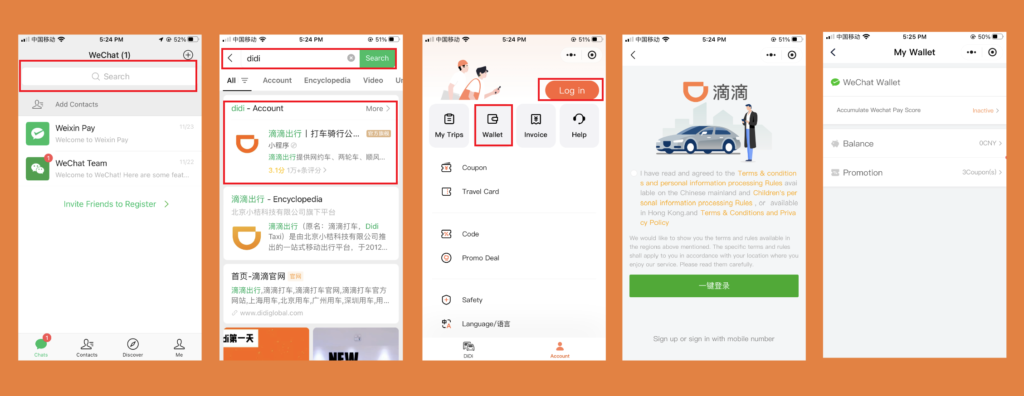
- DiDi – a ride-hailing app with an English interface, supporting Visa and Mastercard. You can also access the DiDi mini-program via Alipay or WeChat.

- Amap (Gaode Maps) – supports 16 languages, international phone login and international card payments.
- Translation tools – keep a reliable translation app on your phone for menus, signs and short documents. For interpreting assignments, I prepare industry terminology in advance.
Where to Eat Near Major Venues
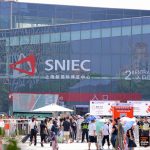
Business meals in Shanghai usually fall into two categories: quick meals between meetings, and hosted dinners with suppliers or clients. Near SNIEC, the most practical options are in the Kerry Parkside complex and around Longyang Road metro station, where you can find everything from casual noodles to hotel restaurants suitable for a client lunch. Near NECC, the Hongqiao Tiandi area and the hotels around the exhibition centre offer reliable choices for business dining without a long commute.
For hosted dinners, expect dishes to be shared and seating to follow host arrangements. If you have dietary restrictions, tell your host in advance rather than on the day. As an interpreter, I often help clients navigate menu explanations, toast etiquette and informal supplier conversations that continue over dinner.
If your schedule includes supplier dinners, see my business interpreting services for on-site support.
Where to Stay Near SNIEC & NECC
Choosing the right area can save you an hour a day during a trade show. For SNIEC, staying in Pudong near Longyang Road or Century Park puts you within a short metro or taxi ride of the venue, with easy access to restaurants and supermarkets. For NECC, the Hongqiao business district is usually more practical than downtown Shanghai, especially if your schedule includes early exhibition hours or flights from Hongqiao Airport.
If your trip also includes factory visits outside the city centre, check travel time before booking. A hotel that looks close on the map may still mean a long morning commute. I usually advise clients to pick accommodation based on the first meeting location, not just the exhibition venue.
You can check upcoming dates on my Shanghai exhibitions calendar before booking.
Getting Around: Metro, Taxi & DiDi
The metro is usually the fastest and most predictable way to reach SNIEC and NECC during major events. Both venues are connected to the metro network, and signs in English are available at most stations. For door-to-door trips, DiDi is widely used and can be booked in English through its international version; official taxis are also available but can be harder to find during peak hours or heavy rain. For payment, Alipay and WeChat Pay QR codes work on the metro and most buses; Shanghai Pass is a prepaid card for buses, metro, taxis, ferries and the Maglev if you prefer not to rely on mobile payments.
If you are travelling with samples, catalogues or a group, a pre-booked car is often more practical than hailing on the street. I sometimes help clients confirm pick-up points with drivers, especially when the venue has multiple entrances. Allow extra time on the first morning of a major trade show.
For on-site support during factory visits or supplier meetings, see factory visit interpreting.
Navigation: Why Amap Is Essential
Google Maps is not reliable for navigation in mainland China. The most practical app is Amap (Gaode Maps), which offers an English interface through Amap Global. It supports international phone numbers, covers metro, bus, walking and driving routes, and shows real-time traffic and station exit details. You can also hail a ride directly within the app and pay through Alipay or WeChat Pay linked to your international card. Set it up before you arrive, and save your hotel address in Chinese as a backup.
Downtown in Your Free Time
If you have a free afternoon between meetings, central Shanghai is easy to reach by metro. The Bund and Lujiazui offer the classic skyline view, while the Former French Concession is better for a quieter walk, coffee and smaller shops. Yu Garden is convenient if you are already staying in the city centre, but avoid it on weekends if you prefer a slower pace.
Keep your schedule realistic: Shanghai traffic can turn a short downtown visit into a half-day trip. I usually suggest choosing one area rather than trying to cover several sights in one afternoon. If your free time is limited, a walk along the Bund followed by dinner nearby is the most practical option.
If you need interpreting support during your visit, get in touch to discuss your dates and requirements.