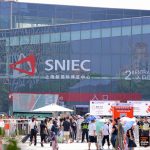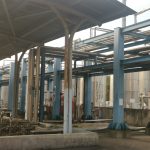
On-site interpreting for waste treatment facility audits is fast, technical work. In July this year, I interpreted for a U.S. client during a waste treatment facility audit in Suzhou. It was a fast, technical assignment: permits, manifests, monitoring records, site walkthroughs, and nonstop Q&A. By the end, we had built a smooth working rhythm.
Earlier this October, the same client asked me to join two more audits—this time in Nanjing. They could have hired a local interpreter. Instead, they covered my travel and accommodation to bring me back. That choice meant a lot. It also made practical sense: I already knew their audit style, terminology, and follow-up process. For a technical audit, continuity saves time and reduces risk.
In China, this kind of inspection is often called yanchang (验厂), or a factory inspection. For waste treatment operators, it is a facility audit: environmental compliance, industrial safety, and supply chain due diligence. The interpreter’s job is not just language conversion. Its purpose is to ensure the client can verify whether documented procedures match real-world operations and whether facilities meet applicable standards and requirements.
Document Review and Consecutive Interpreting for Facility Audit
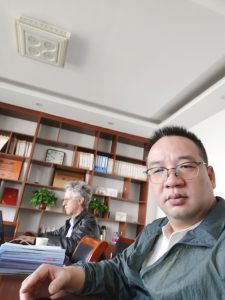
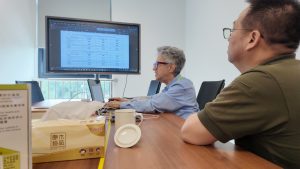
Each audit began with an opening meeting. The lead auditor explained the scope, criteria, schedule, and expectations. I interpreted in consecutive mode, making sure both sides understood the intent behind each request.
Then came the document review. We went through permits, waste acceptance procedures, manifests, transfer and disposal records, vendor contracts, monitoring reports, lab results, training logs, maintenance records, emergency plans, and SOPs. Some documents needed sight translation. Others required clarifying a regulatory term or rephrasing a question so staff could locate the right record.
Accuracy mattered, especially numbers, dates, units, chemical names, and regulatory references. A small mistranslation can cause confusion, delay, or a false impression of noncompliance.
For environmental compliance, auditors often reference frameworks such as the U.S. EPA’s hazardous waste rules and China’s Ministry of Ecology and Environment (MEE) requirements. For industrial safety, they may refer to OSHA-style controls. For environmental management systems, ISO 14001 is a common benchmark. I prepare these references in advance so that on-site interpreting for waste treatment facility audits stays accurate and efficient.
On Site: Walking the Facility
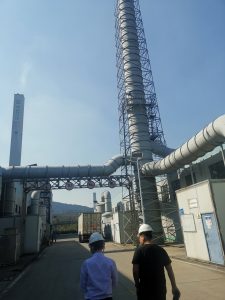
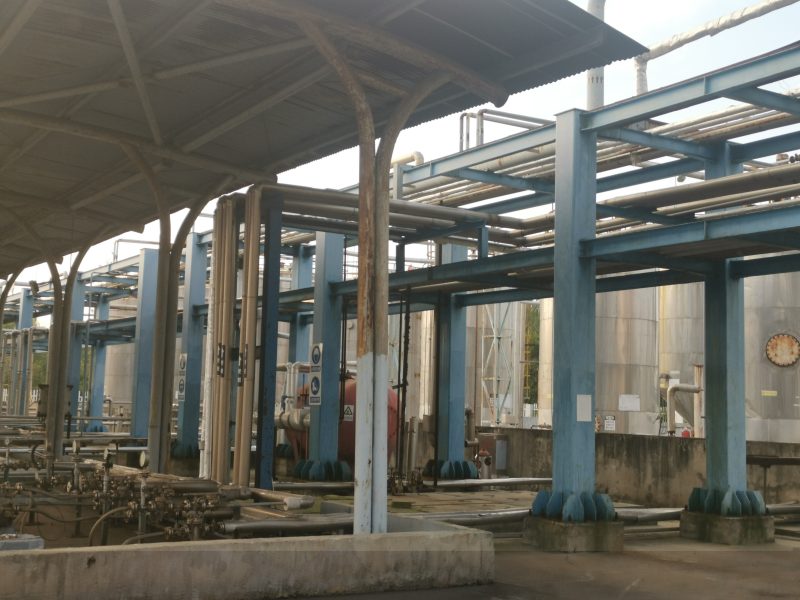
After the document review, we walked the site. We inspected receiving areas, storage zones, treatment units, chemical storage, wastewater treatment, emission controls, pipelines, discharge points, sludge handling, and emergency stations. I interpreted questions from the auditor and answers from operators, engineers, and EHS staff.
The questions came fast: equipment parameters, maintenance routines, waste segregation, leak prevention, tank overfill scenarios, and site environmental controls. Field interpreting means keeping pace in PPE, moving between broad descriptions and technical details, and catching spontaneous questions when the auditor spots a potential non-conformity.
Why Continuity Mattered for On-Site Interpreting
Before the trip, I reviewed the client’s previous audit materials, built a glossary for waste treatment and EHS terminology, and prepared for common acronyms and regulatory references. During the audit, I tracked speaker changes, rapid Q&A, and documents passed around the table.
Working with the same client again made a visible difference. There was no learning curve. I knew how the auditor phrased follow-up questions, how the team organized evidence, and how much detail the reports required. Consistent terminology between the Suzhou audit and the Nanjing audit also let the client compare findings without translation bias.
The lesson: clients do not hire interpreters only for bilingual ability. They want reliability, subject-matter familiarity, audit awareness, and continuity. When compliance and supplier qualification are at stake, many will choose a trusted interpreter over a cheaper local option—even with extra travel costs.
Looking for an interpreter for a facility audit or another compliance audit in China?
I am grateful that the client chose continuity over convenience and brought me to Nanjing. For a freelance interpreter like me, that is one of the best compliments possible.
If you need English-Chinese interpreting for a factory audit, supplier audit, EHS audit, environmental compliance review, or waste treatment facility inspection in China, I would be glad to help. I am available for assignments in Nanjing, Suzhou, Shanghai, and other industrial zones across China, and I am happy to travel with your team.
Note: Client names, site names, and specific audit findings remain confidential.